Self portraits
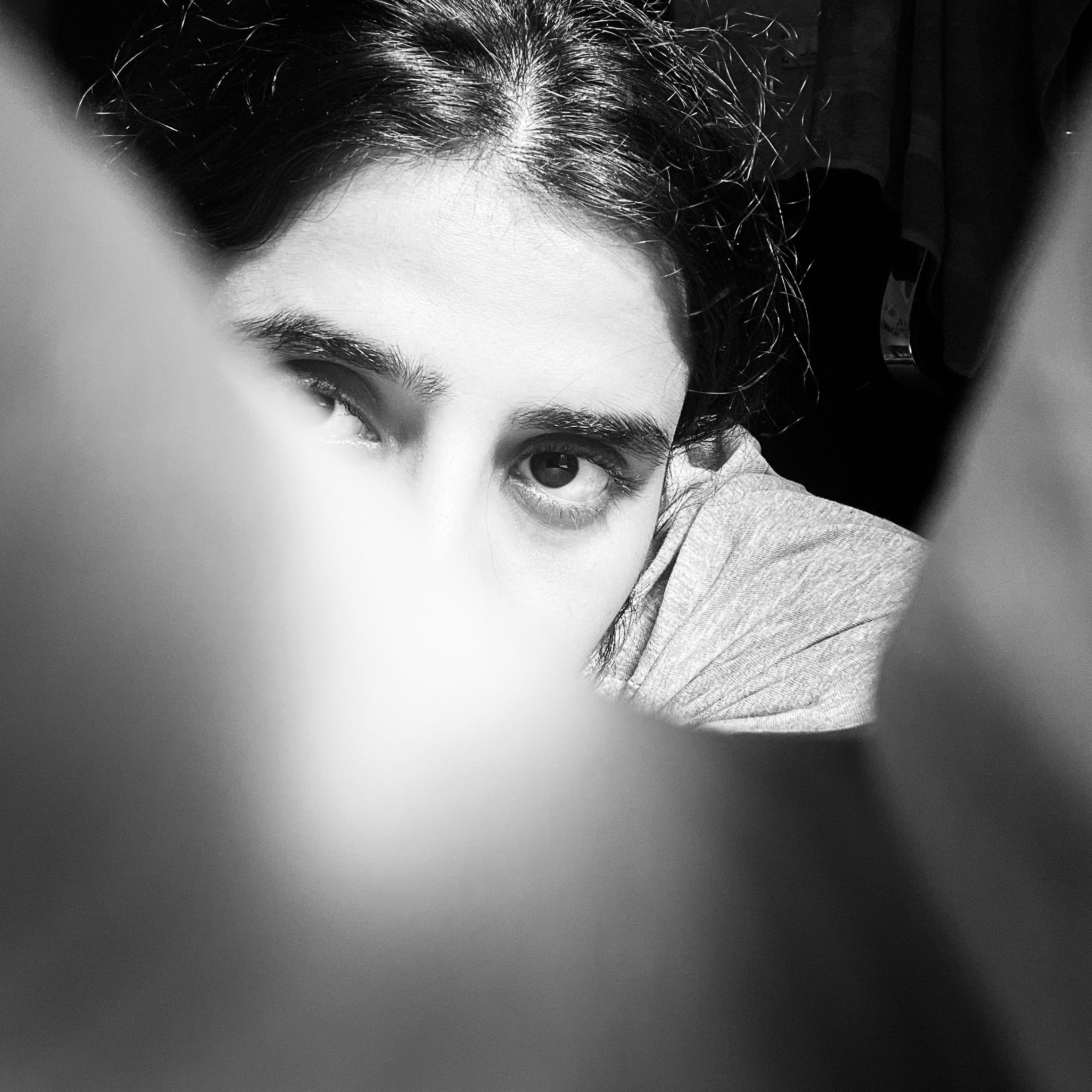
During my undergrad, I used to click self portraits every day. Staring right into the sunlight kind of stuff. I don’t have that kind of audacity anymore, but I’m glad my obession with self portraits led me down the path of its rich history.
THE OLD KIDS
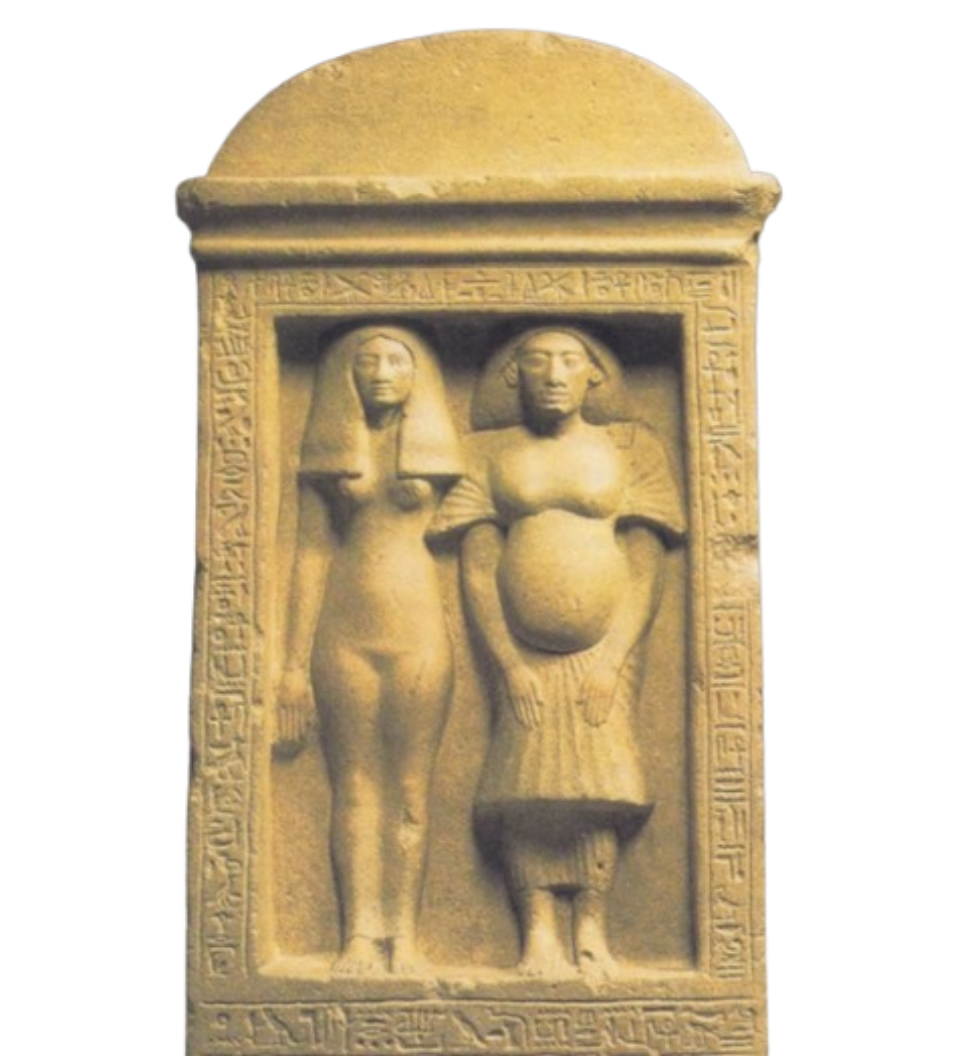
Pharaoh Akhenaten's chief sculptor Bak carved a portrait of himself and his wife Taheri out of stone. Interestingly, back then, portraits were famous amongst the rich and the powerful. But Bak goes a step ahead to create his own image, both because he couldn't afford a portrait and maybe as an attempt at self-expression.
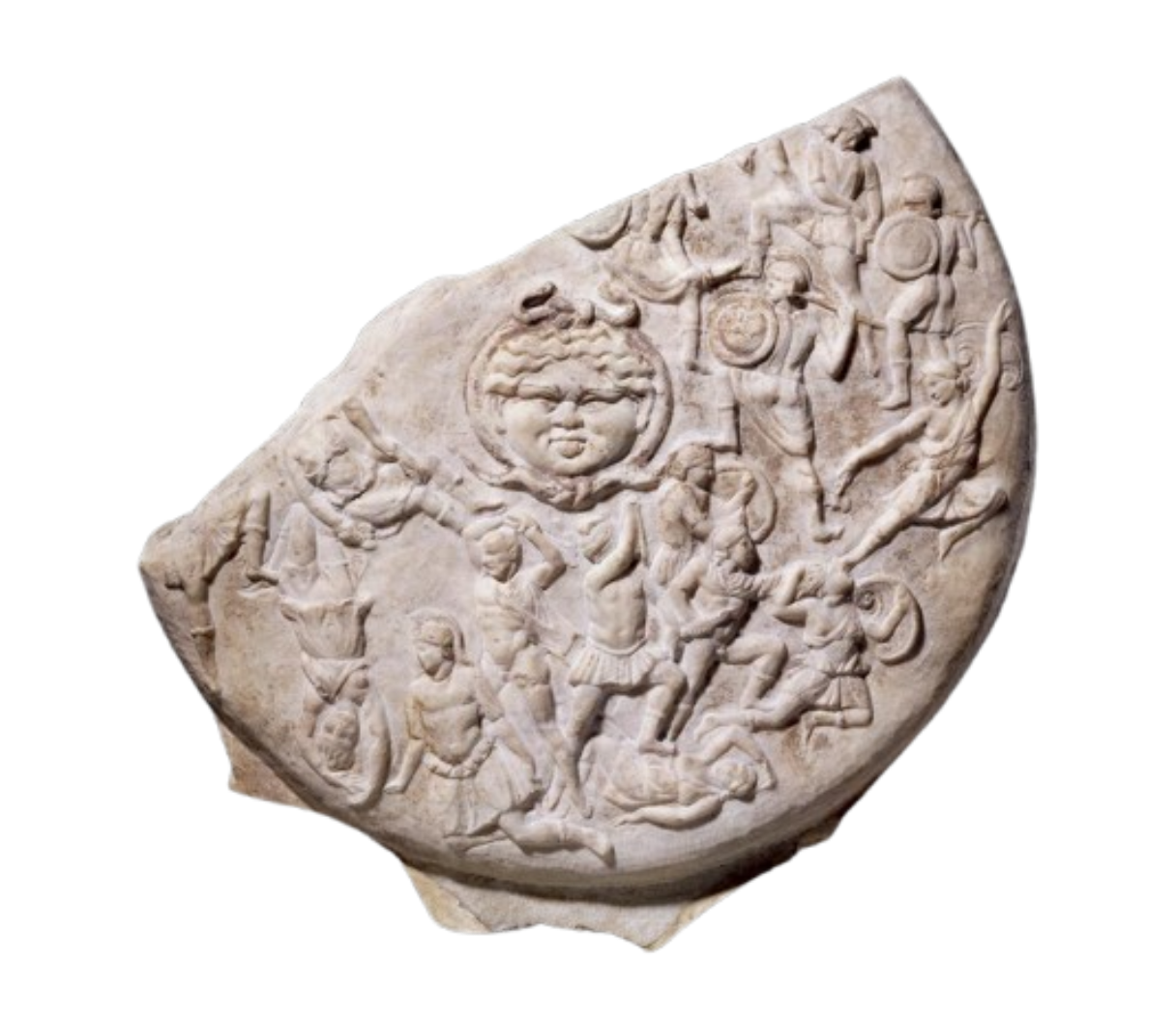
It is stipulated that the Greek Sculptor Phidias, who created sculptures for the Parthenon, was jailed this year for leaving a small self-portrait of himself on the shield of Athena. That would make him the first known artist to use self-portraits as a signature. This tradition continued strongly during the Middle Ages and the Renaissance period.
During the Renaissance. three crucial things happened. First was the advent of Panel painting (painting on flat wood as opposed to walls, which were usually uneven). Second, cheaper, better quality mirrors become available. And third, there was more interest in the individual as a subject.
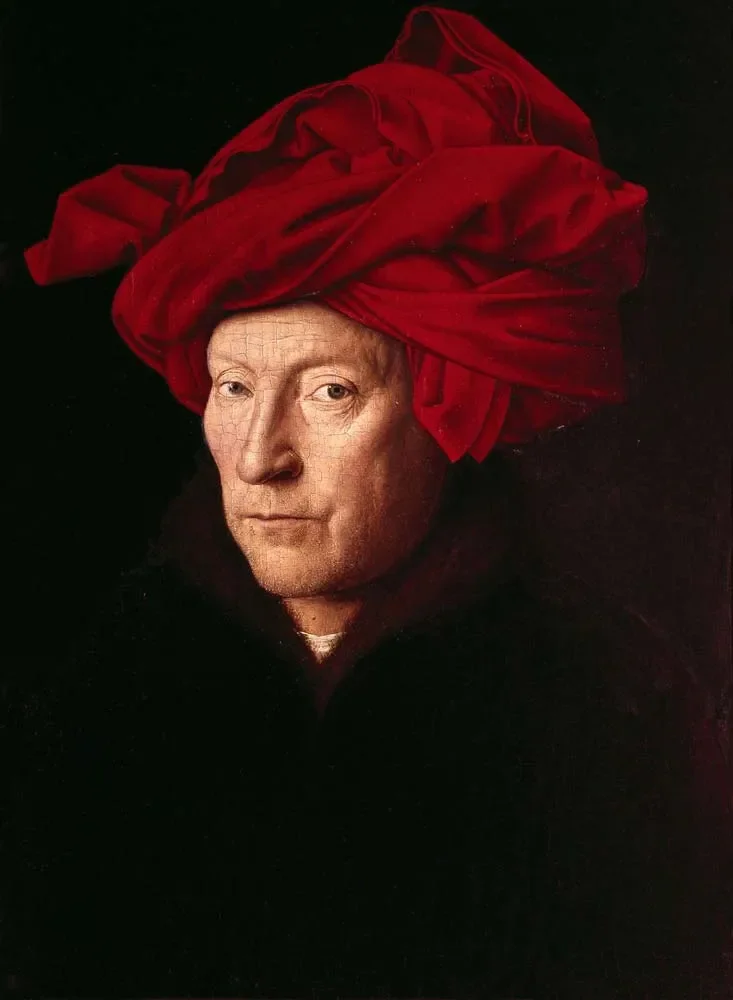
1433
Jan van Eyck paints 'The Portrait of a Man in a Turban'. It is speculated to be Eyck's self-portrait and hence regarded as the oldest individual western self-portrait.
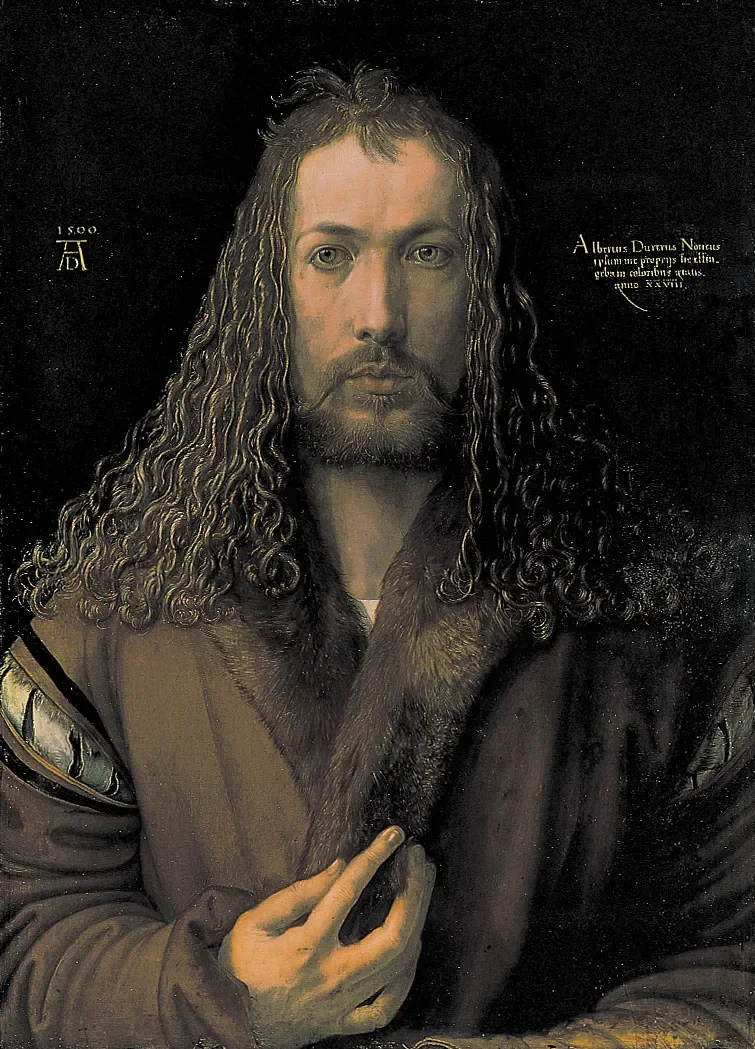
1500
Albrecht Dürer paints a self portrait closely resembling Christ. The inscription at the right says “I, Albrecht Dürer of Nuremberg, portrayed myself in everlasting colors aged 28 years” and his signature "A.D" at the left presents an interesting ambiguity, it serves as his initials and also as short for Anno Domini ("year of the lord"). This can be seen as a turning point in the ‘western’ history of self-portraits because this was probably the first time they were blatantly used for self- aggrandization.
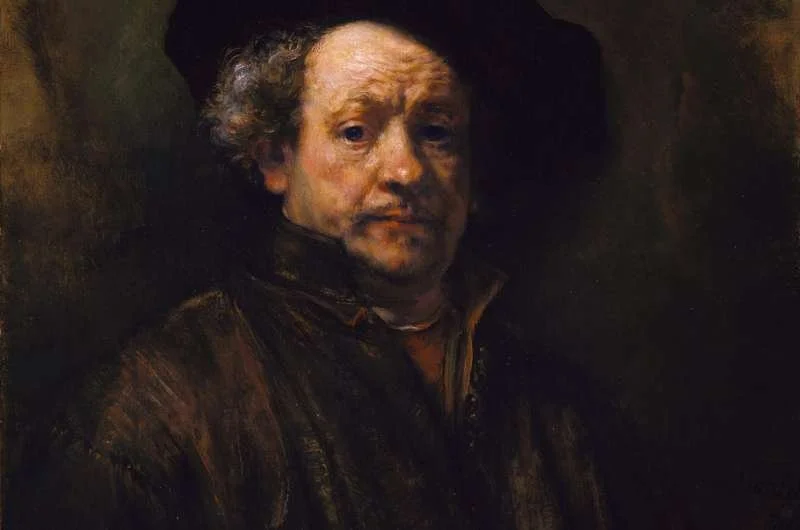
1600s
No one did more for self-portraits than the Dutch painter Rembrandt. (1606-1669). He created over 100 self-portraits throughout his life as if etching a visual autobiography through them. He popularized them as a legitimate form of artistic expression and transformed self-portraiture into a genre of its own.
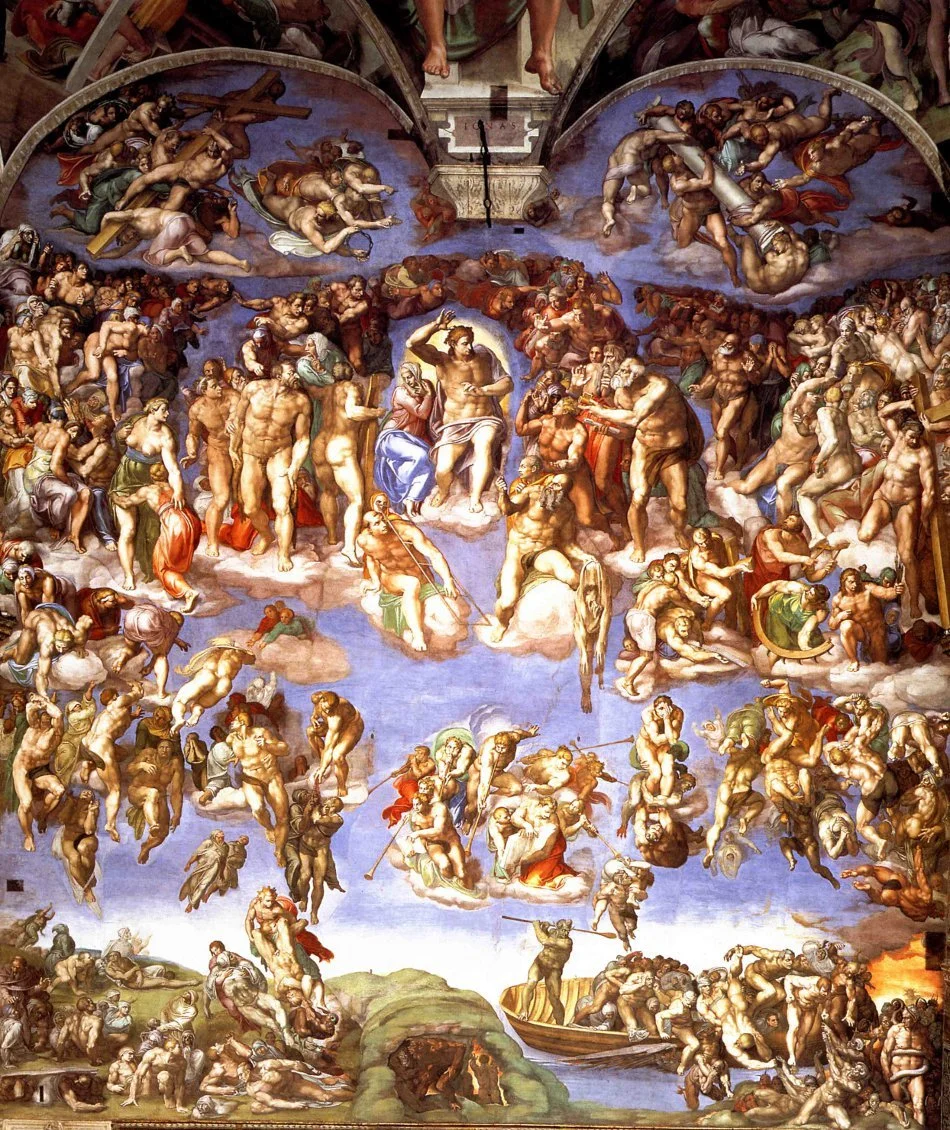
Michelangelo in The Last Judgement. (stipulated).
In the early Renaissance period, it was quite common for artists to sneak themselves in their artworks.
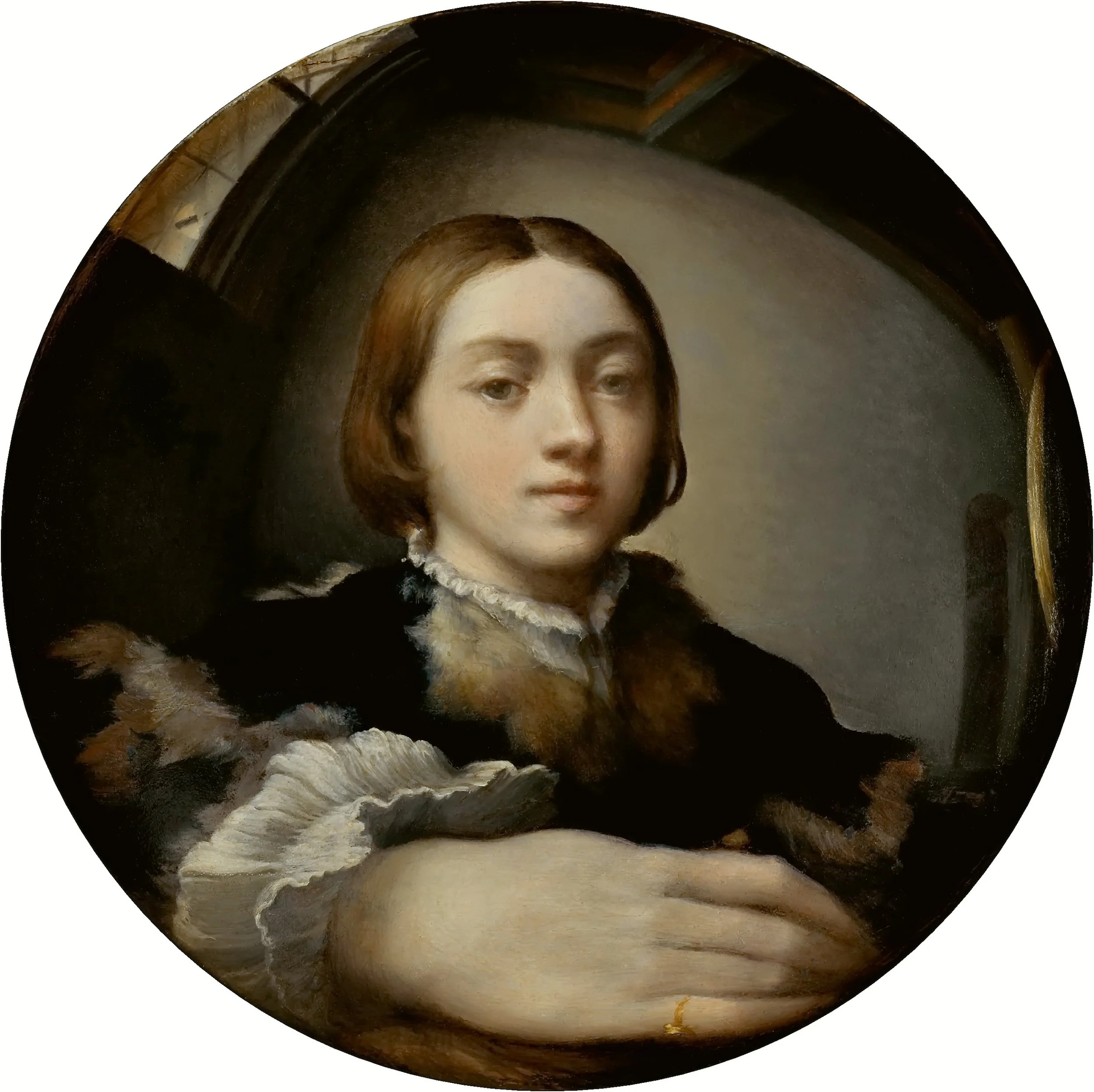
Self-Portrait in a Convex Mirror, Parmigianino.
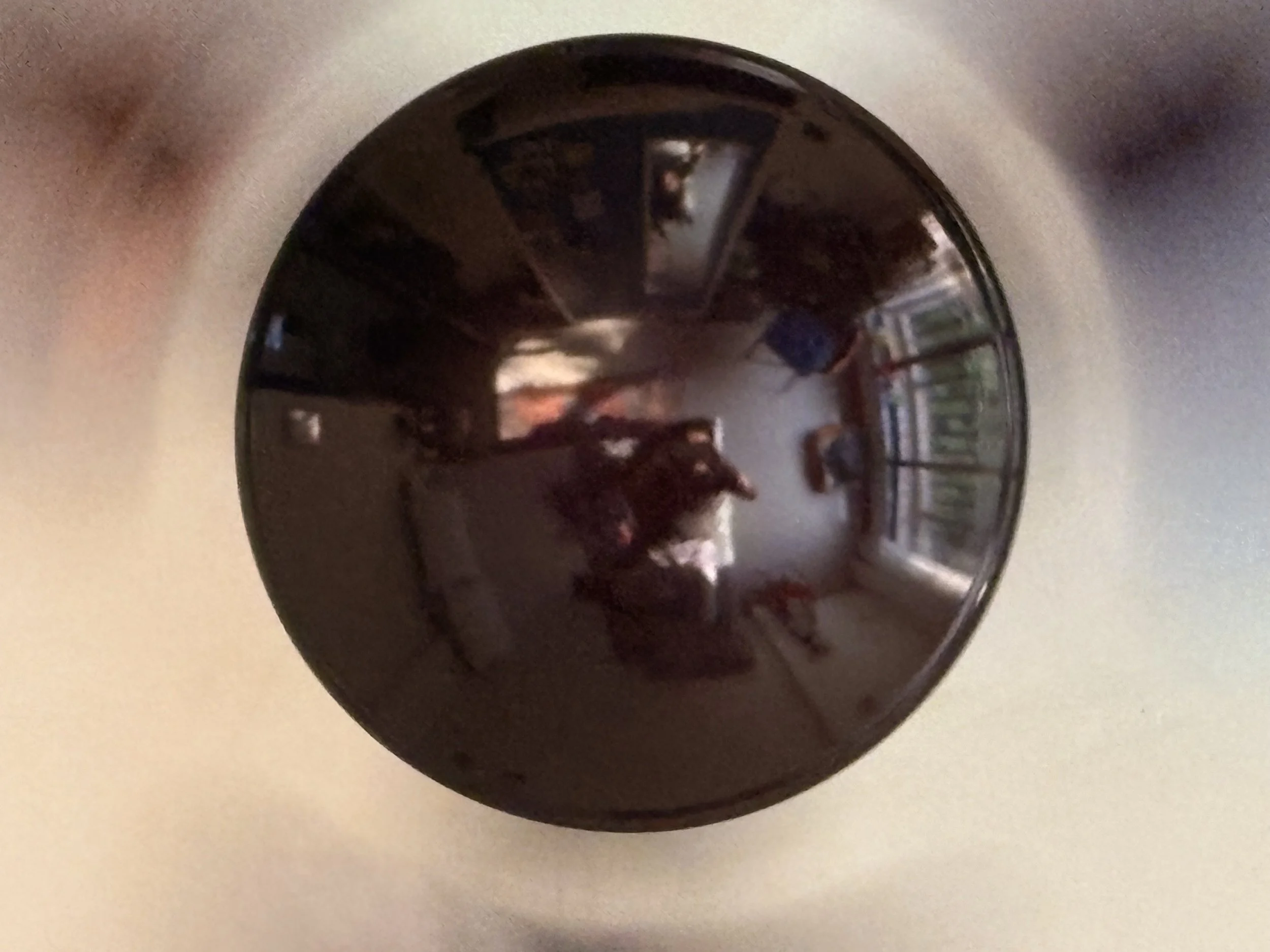
The first mirrors were convex and introduced deformations that artists sometimes exploited.
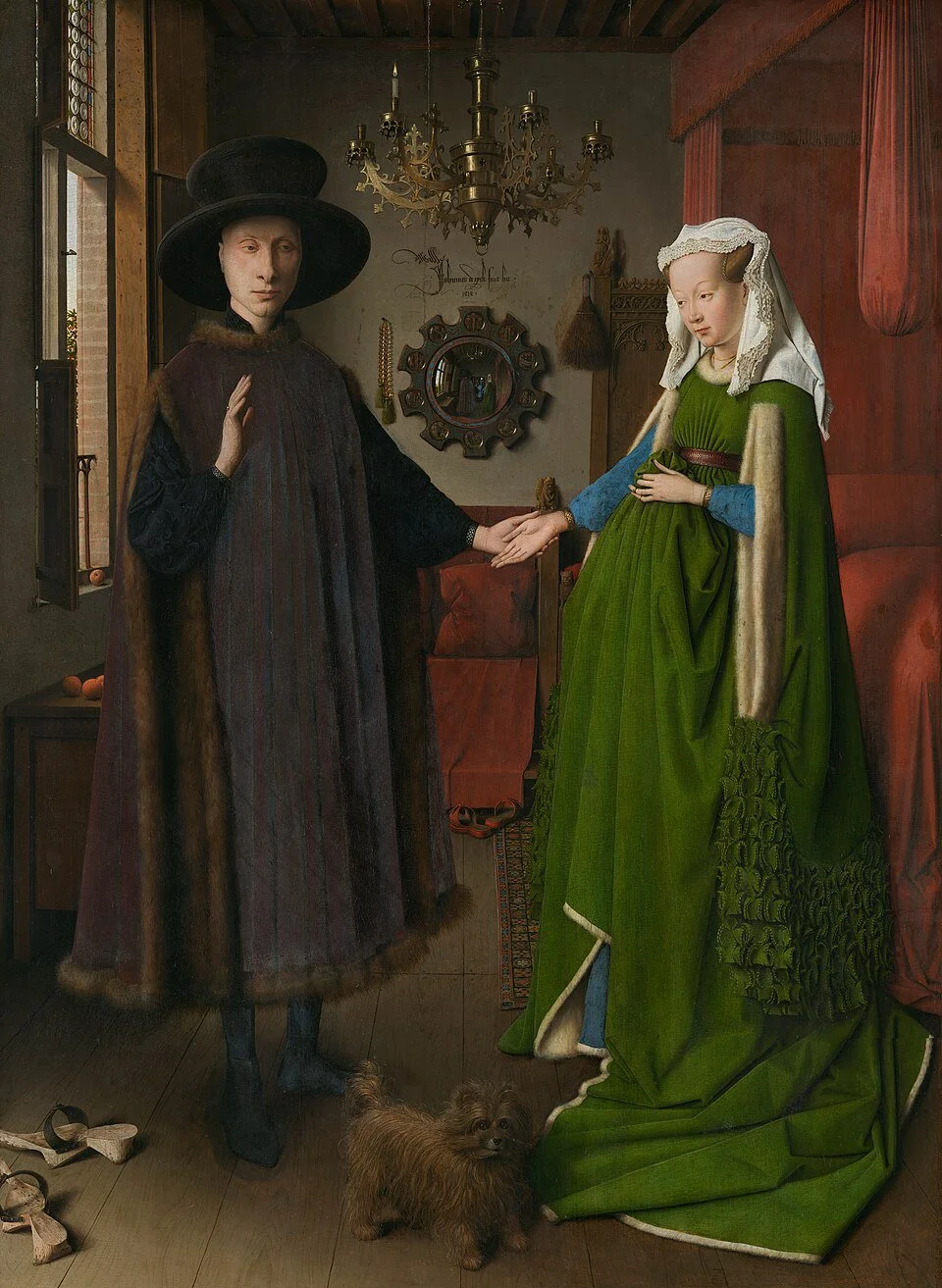
The Arnolfini Portrait, Jan van Eyck.
Eyck places himself in the center of the mirror at the back. The inscription says “Jan van Eyck was here.” A self-portrait?
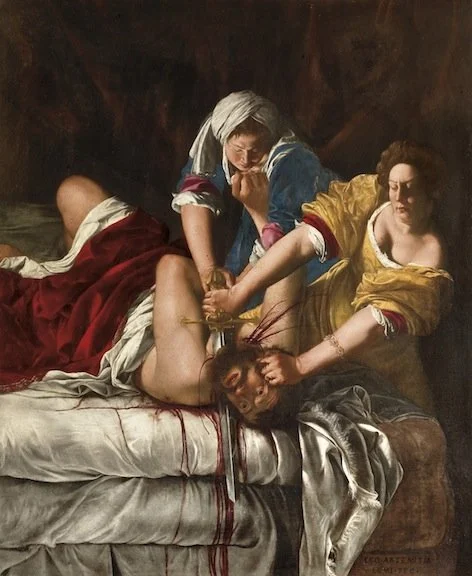
Judith Slaying Holofernes,
Artemisia Gentileschi (1614- 1620)
The first woman to be admitted into the Florentine Academy of Design, she was raped by her teacher at 17. She inserts herself here as Judith and her rapist as the beheaded Holofernes.
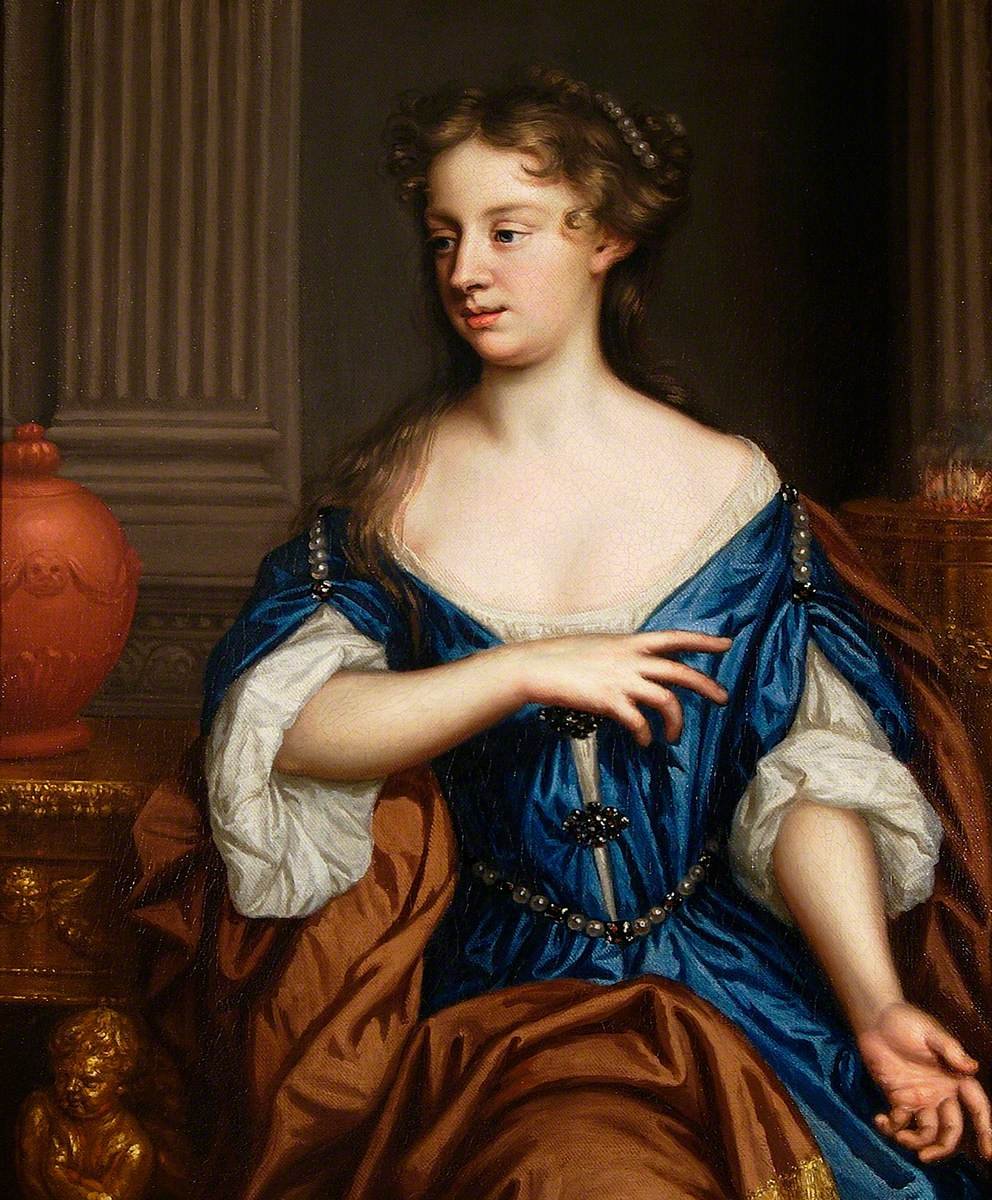
Self-portrait, Mary Beale (1675-1680)
She was one of the most famous 17th-century portrait painters in England., also described as the first professional female English painter.
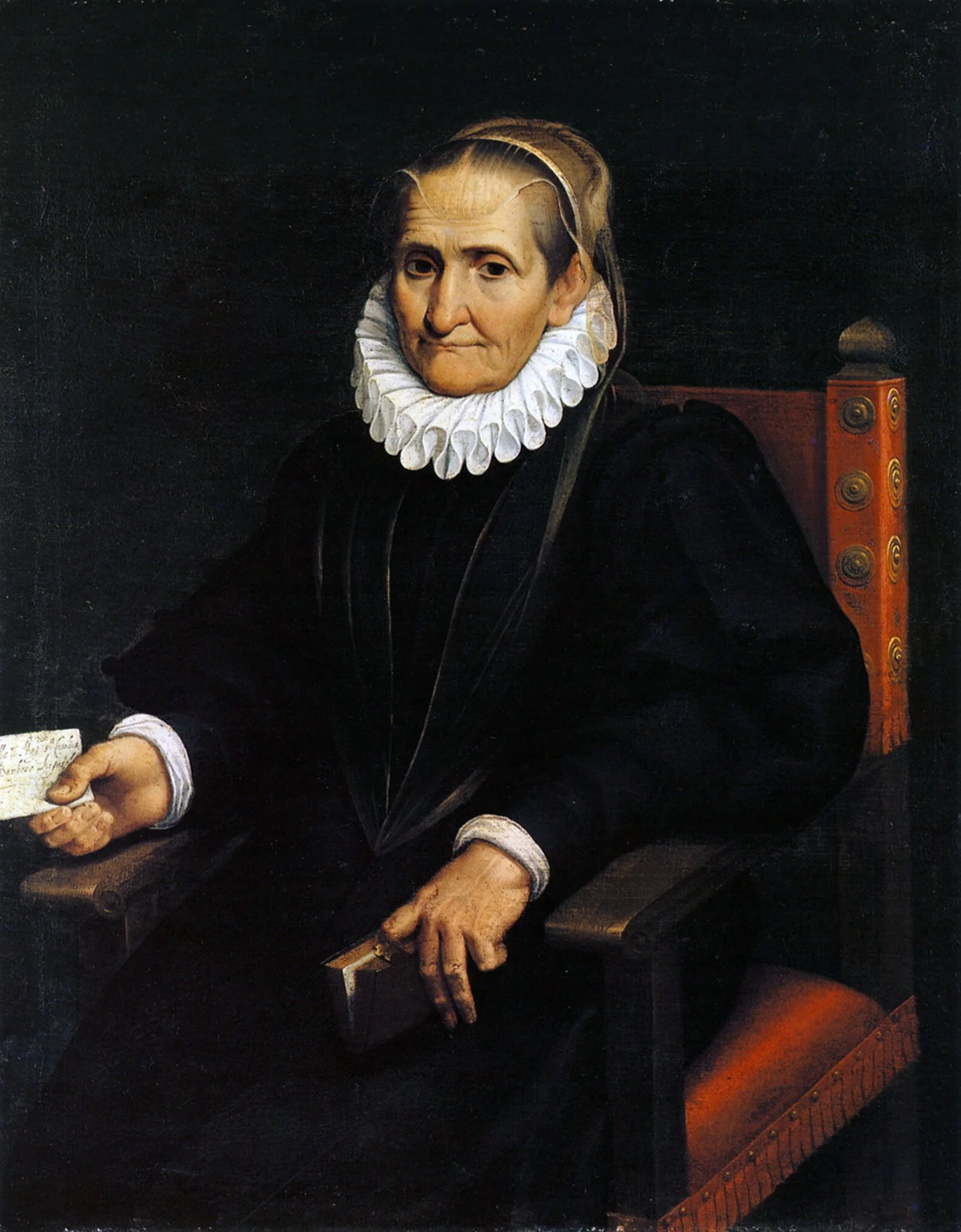
Self Portrait, Sofonisba Anguissola (1610)
Anguissola was one of the leading portrait painters of Renaissance Italy.
THE NEW KIDS
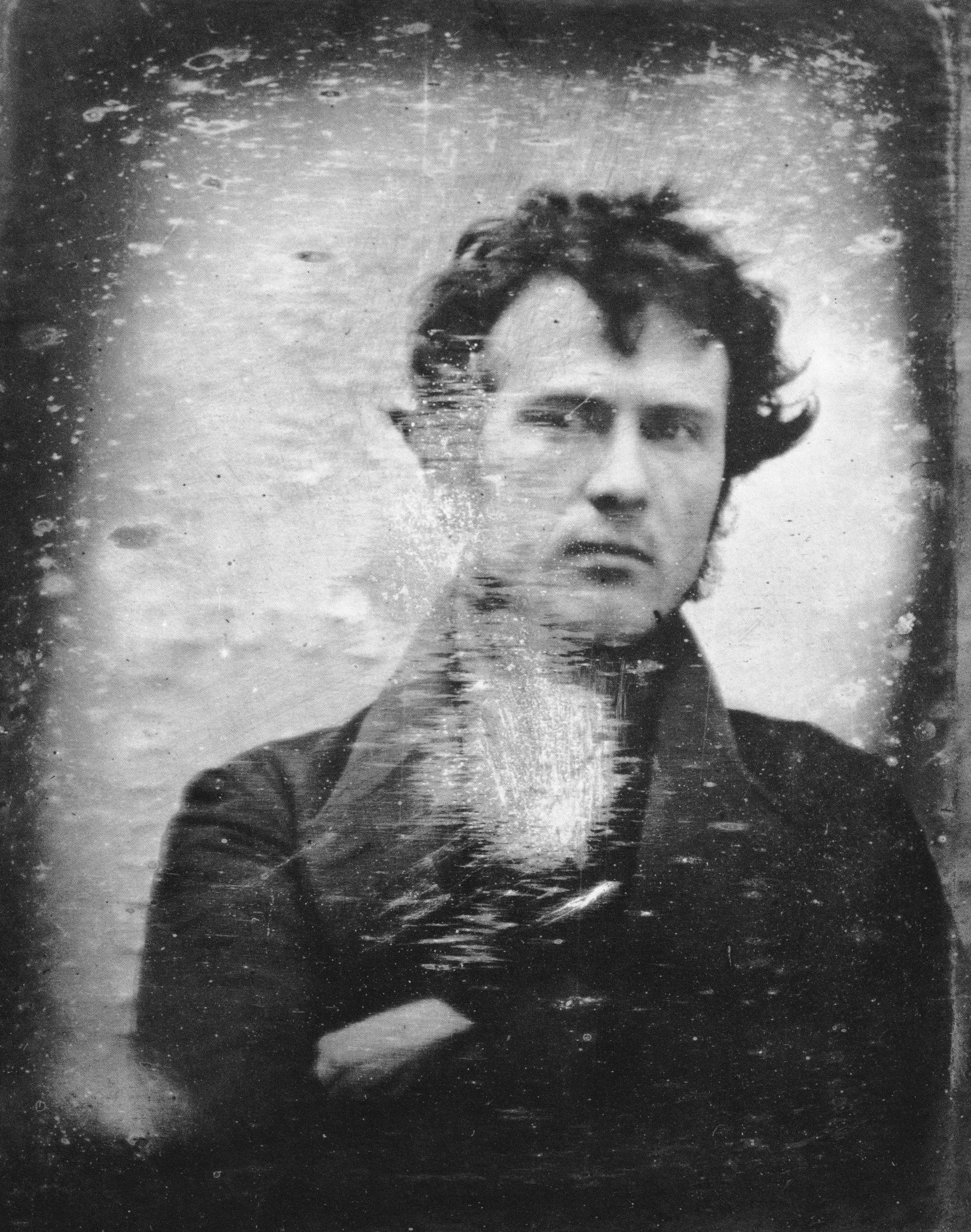
Robert Cornelius' self-portrait is widely credited as the "The first photographic portrait image of a human ever produced"
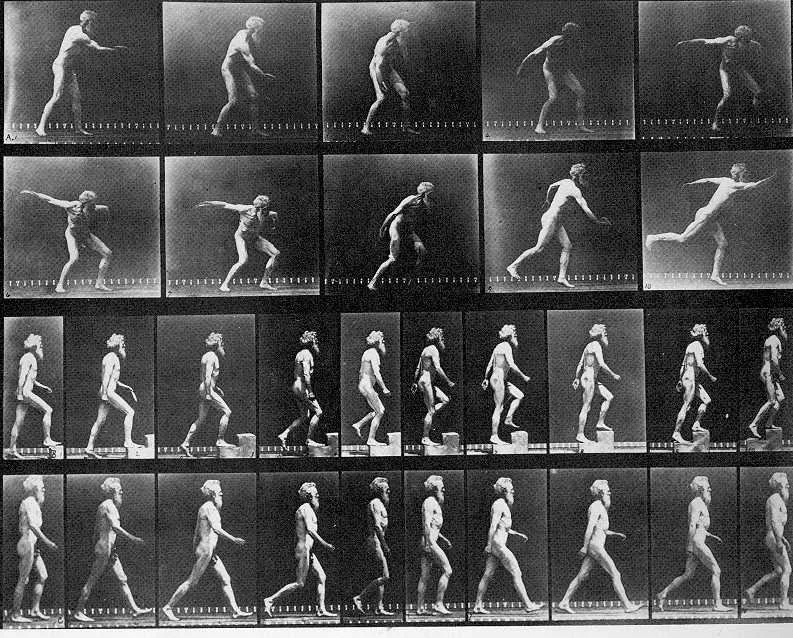
Sequences by Eadweard Muybridge. He pioneered the photographic study of motion,capturing movements human eyes couldn't discern.
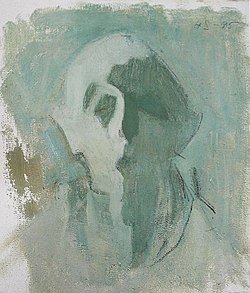
Light and Shadow, Helene Schjerfbeck (1945).
She painted this self-portrait in her last year, sensing her impending death from cancer. She remains one of the most cherished Finish painters.
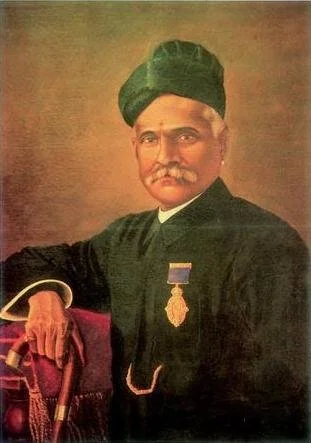
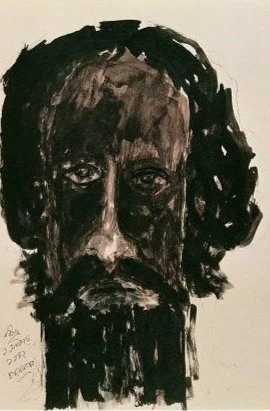
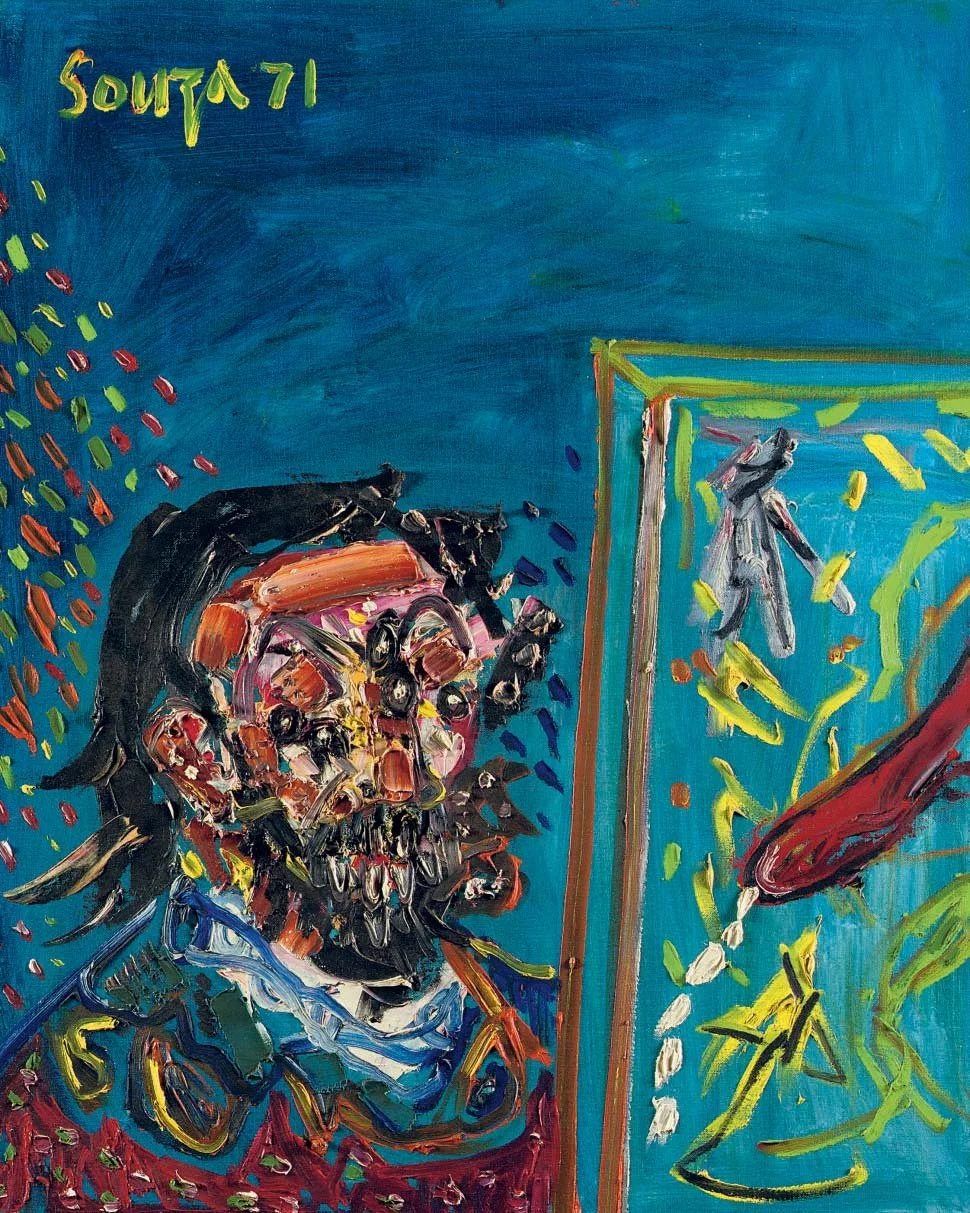
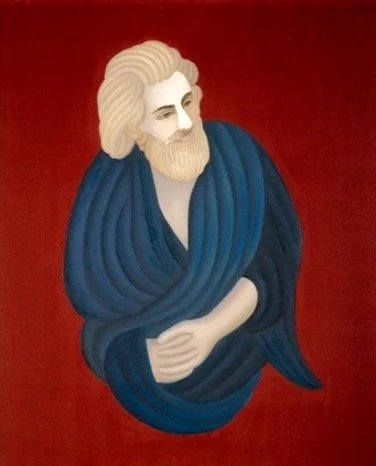
There doesn't seem to exist a dedicated tradition of self-portraits in India (with the exception of Amrita Sher-Gil) but they make routine appearances in many artists' works, esp. in the 20th century.
Andy Warhol
Frida Kahlo
Gustave Coubert
Amrita Shergill
Edvard Munch
Ana Mendieta
Vincent Van Gogh
Cindy Sherman
Egon Shiele
Other champions of self portraiture:
thanks for stopping by. hope you have a bearable time.